Posted On: November 30, 2009

Airplane Cabin Pressure

B737-900ER.jpg
The holidays are here and December is a particularly busy month for the airline industry as we travel to visit family and friends across the United States.

Cabin air pressure can present problems for these travelers. The fuselage of a jet is a pressure vessel. Between every normal takeoff and landing, the cabin pressurizes and depressurizes. While cruising to their destinations, passengers need air (with oxygen) pumped into the cabin to breath. After compressing and cooling it, the engine(s) supply the breathable air. Although the altitude of a Boeing 737 will reach 41,000 feet, the passenger cabin typically attains only 8,000 feet.

Why don’t the pilots pump more air into the cabin, keeping the interior “atmosphere” near sea level? They don’t do this because the pressure differential between the thin outside air and the dense cabin air would be too great, placing excessive stress on the fuselage. As an overfilled balloon pops, a fuselage with too much cabin pressure will crack or burst open. For a B737, relief valves will open automatically to prevent the cabin differential pressure from exceeding 9.1 pounds per square inch (psi). In rare cases, due to undetected structural fatigue, fuselage skins fail even under ordinary conditions. In July a Southwest Airlines Boeing 737-300 depressurized after a one-foot hole appeared in its upper fuselage. Fortunately, the aircraft was diverted and landed safely.

More commonly, though still rare, a small hole will open in the cabin skin. Although not explosive, the hole will cause a loss of cabin pressure, and the oxygen masks to drop. After thousands of pressurization cycles, the metal can simply gives way. Fortunately, the airlines inspect their aircraft regularly, sometimes even x-raying fuselages to detect cracks. Their vigilance allows passengers to breath easily.

Associates and Bruce L. Scheiner, Personal Injury Lawyers not only has aviation experts who have a solid understanding of the complex issues surrounding aviation accidents, they are experienced pilots. Put their experience to work for you by contacting 1.800.DialBLS or www.focusedonjustice.com

Bookmark and Share

Posted On: November 25, 2009

A Season to Give Thanks

It is during trying economic times like these that many may feel there is nothing in their lives to be thankful for and little reason to celebrate Thanksgiving. We feel that this year, the importance of being surrounded by family and friends, no matter the circumstances, is more important than ever.

The size of your turkey or the amount of side dishes on your table is not the real reason to give thanks. We hope you are able to spend the day enveloped in love for one another, and recognize that your feelings of warmth and caring for those you are with will carry you through the toughest of times. If you are able to do so, we encourage you to reach out to those who may not be able to enjoy a hot meal or the comfort of a friend this holiday. Doing something for those less fortunate can be an amazing feeling – for all parties involved.

We know that there are many people struggling these days, but we truly hope that on this special day, everyone can put those stresses aside and enjoy the simple pleasures of spending some quality time together.

From our family to yours, we hope you are blessed by a Happy Thanksgiving.

BLS-Signature.jpg

Bookmark and Share

Posted On: November 23, 2009

‘Tis The Season: Holidays Mean More Drunk Drivers

With the Holiday season upon us, you can expect to encounter more drunk and impaired drivers on area roadways, according to Mothers Against Drunk Driving, (MADD). Their statistics show that this time of year is the most deadly when it comes to alcohol-related crashes, estimating that more than 1,000 people will die in drunk driving accidents between Thanksgiving and New Year’s. The figures point to the increase in special social events and parties, and the increase in the consumption of alcohol, as factors. MADD points out the irony of these facts, in that drinking and driving is one of the most easily preventable catastrophes, noting that drivers simply need to make the choice to not drink and get behind the wheel of their car.

MADD has been advocating against the dangers of drunk driving since 1986, and undertakes many programs and services in their efforts to warn the public of the dangers involved. One of their more successful campaigns may seem simplistic in theory, but yet it has proven to be extremely effective in reducing the number of drunk drivers on the road. The “Designate A Driver Program” is designed to encourage Holiday partygoers to select one member of their group to remain sober when attending any party where alcohol will be served. This eliminates the question about who will be driving or how other members of the group will be getting home. Of course, this planning ahead is not applicable to just attending the office Christmas party, but should be utilized year-‘round.

Since 1981, every President of the United States has demonstrated his commitment to preventing impaired driving by proclaiming December as National Drunk and Drugged Driving (3D) Prevention Month. The National Highway traffic Safety Administration, (NHTSA), reminds you that their primary message during the December holiday season is Friends Don’t Let Friends Drive Drunk - Designate a Sober Driver. They provide the tips below to help make sure you arrive home safely, and do not become a Holiday fatality statistic:

• Don’t even think about getting behind the wheel of your vehicle if you’ve been out drinking

• If you are impaired, call a taxi – use mass transit – or get a sober friend or family
member to come and get you

• Or just stay where you are and sleep it off until you are sober

• Remember – Friends Don’t Let Friends Drive Drunk. Take the keys and never let a friend leave your sight if you think they are about to drive while impaired
• If you are hosting a party this holiday season, remind your guests to plan ahead and designate their sober driver, always offer alcohol-free beverages and plenty to eat during the event, and make sure all of your guests leave with a sober driver


The NHTSA also says that Thanksgiving is the most dangerous holiday of the year for drivers, whereas most people assume it would New Year’s Eve. Thanksgiving is the day when heavy traffic, drinking and long-distance car trips combine to create fatal travel conditions. Another factor is the current high cost of air travel, resulting in more Holiday travelers opting to drive to family gatherings rather than fly.

The local law firm of Associates and Bruce L. Scheiner Personal Injury Lawyers, P.A., has long been a supporter of MADD, and in fact works aggressively with them and their cause, sponsoring their public service television commercials, donating office space to them and supporting their initiatives in a variety of ways. The firm also has developed a program in cooperation with the Lee County Sheriff’s Office and MADD called "Mobile Eyes" Against Drunk Driving. Any 9-1-1 caller reporting a drunk driver and acknowledging the "Mobile Eyes" program becomes eligible for a $100.00 reward if the impaired driver is stopped by law enforcement and arrested for DUI.

“People need to just stop and realize, particularly at this time of year, that simply making the decision to not get behind the wheel of a car after drinking can actually save lives, and make the Holidays safer for everyone on the road,” says the law firm’s founder AND senior attorney, Bruce L. Scheiner.

If you or a loved one has been the victim of a drunk driving crash, we want you to know that our expertise and nearly four decades of standing up for crash victim’s legal rights can be instrumental in making your life whole again. For more information about our services and our results, visit www.focusedonjustice.com, or call 1-800-DialBLS.

The entire family of lawyers and support staff in our 7 area offices wish all of you a joyous and safe Holiday Season.


Bookmark and Share

Posted On: November 18, 2009

Are You Really Safe?: Injuries can occur without proper security measures

Whether you’re at work, shopping at the mall or enjoying a movie at the local theater, your expectations are that you will be in a safe environment, properly protected by the property owner’s security and safety precautions. Yet, oftentimes a commercial business owner, landlord, educational facility or sporting event venue may not have the correct or proper security measures in place, and you may become a victim of their negligence.

Sadly, we’ve all seen the news stories where a recently terminated or disgruntled employee has taken his frustrations out on his former place of employment, resulting in the tragic loss of life and serious injuries to those he may have encountered. From a legal standpoint, several questions arise from such a shocking occurrence. Did the company have adequate security measures in place in order to prevent unauthorized access to the premises? Were security personnel, if present, properly trained to thwart such an attack? Workplace violence is a serious concern, with an estimated 1.7 million violent victimizations committed annually against persons at work or on duty. Physical attacks, rapes, and other acts of violence cost American businesses billions of dollars each year. Some may have been preventable had the business owner established stricter safety and security guidelines.

If you are walking through the local mall with your family and are suddenly attacked, it could be discovered that the owner of the property did not adequately live up to his duty to keep patrons safe and secure while on the premises. People are injured while attending sporting events, perhaps falling down or tripping in a stairwell that was not adequately illuminated. Sometimes, overzealous fans may instigate a physical altercation with one another, and you may be injured as a result. Did the owners and operators of the stadium have adequate and properly trained security personnel on hand?

“Unfortunately, injuries and even death can occur in a wide array of settings, at any moment, because of negligent actions on the part of those responsible for providing a secure environment. Our experience has shown that even when you think you are safe and protected, an injury can happen where you least expect it,” according to attorney
PJ Scheiner of Associates and Bruce L. Scheiner, Personal Injury Lawyers.

Some places in which negligent security may be a factor in a person being victimized include:

School campuses and college dorm rooms
Hotels, motels and resorts
• Sporting events
• Parades
• Cruise ships
Shopping malls and mall parking lots
• Theme parks
• Hospitals and nursing homes
• Financial institutions and ATM machines
• Apartment and condominium complexes


If you or someone you know has been victimized as a result of what you feel may be a lack of security, we may be able to assist you. Our years of experience representing those injured due to the negligence of property owners or those charged with providing a safe and secure environment can be invaluable in your fight for justice. Please contact us today for a no-obligation consultation at 1.800.DialBLS or www.focusedonjustice.com

Bookmark and Share

Posted On: November 13, 2009

Safe Seniors: Help for Staying Sharp Behind the Wheel

Senior driver's in Florida should be reminded of several tips while driving - find out more at blslawyers.com
It’s no surprise that Florida’s roadways are home to a large number of drivers in the senior citizen age bracket. Our population of older residents swells dramatically with the onset of “snowbird” season, and our traffic increase clearly illustrates how older drivers become much more prevalent than in the quieter summer months.

Unfortunately, as we increase in age, our cognitive skills, reflexes and vision sometimes deteriorate, putting senior aged drivers at greater risk of causing a serious car crash. While a great number of older drivers are perfectly capable of navigating our area roads and operating their cars safely, there are some who may not be up to the task. In a recent Johns Hopkins Medicine Health Alert, senior drivers are reminded of several tips and are provided useful information that can help keep them safe while behind the wheel:

• The American Academy of Ophthalmology recommends that everyone between ages 40 and 65 have an eye exam every two to four years. If you're over age 65, you should see your eye doctor every one to two years, particularly to check for conditions such as cataracts, glaucoma, and age-related macular degeneration. Between check ups, if your vision changes or you have trouble driving at night, let your eye doctor know right away.

• Upgrade Your Eyewear -- You may also want to investigate anti-reflective lenses for your eyeglasses. These lenses minimize glare and allow more light to enter the eye than regular plastic lenses. Anti-reflective lenses are especially helpful at night, cutting the reflections on your lenses from streetlamps and headlights.

• Polarized sunglasses also may be helpful, especially for reducing glare. Polarized lenses have a laminated surface that contains vertical stripes, which allows the light to enter a lens vertically, blocking the horizontal bright light.

Prepare Your Car and Know Your Limits:
• Keep your headlights, taillights, mirrors, and windshields clean. These may sound like housekeeping details, but they can improve your road vision. Give your eyeglasses a shine before you set out, as well.

• Keep a spare pair of eyeglasses and sunglasses in your glove compartment so that you never find yourself driving without a pair handy.

• If you're buying a car, skip the darkened or tinted windows. Also, pick a model with easy-to-read symbols, large dials, and an instrument panel that brightens well at night. In addition, ask for a rearview mirror that automatically filters out glare.

• When you have your car serviced, make sure the lights are at full power and properly aligned so they don't affect the vision of drivers coming toward you.

• Plan long road trips with your eyes in mind, stopping every few hours to rest your body and your eyes.

• Avoid traveling at night, dawn, and dusk, especially in places you don't know well. And skip the crowded highways for quieter routes.

• If you take prescription medicines, such as antihistamines or blood pressure medication, check with your doctor about whether they may affect your vision.


“Senior drivers need to continually monitor their performance behind the wheel, as increased age can sometimes impede their ability to safely operate their vehicle”, says attorney PJ Scheiner, of Associates and Bruce L. Scheiner Personal Injury Lawyers, P.A. “No one wants to see an older driver lose their independence and ability to get where they need to go, but the tragedy of causing a serious car accident is far too dangerous to risk.”


AAA Roadwise Review
For older drivers who want to monitor and improve their driving skills and performance, The American Automobile Association, (AAA), has developed a specialized training software program designed to keep senior citizens safe while driving. The Roadwise Review is a scientifically validated, in-home software tool that you can operate on your home computer. The exercises are designed to measure your abilities in eight separate skill sets, with a summary of results after each segment. The summary will provide recommendations on options available to you, should the testing indicate an area in which you may have a problem.

The software tests you in these abilities:

• Leg Strength and General Mobility
• Head/Neck Flexibility
• High-Contrast Visual Acuity
• Low-Contrast Visual Acuity
• Working Memory
• Visualization of Missing Information
• Visual Search
• Useful Field of Vision

Completion of the AAA Roadwise Review may also entitle you to discounted car insurance rates. The CD-ROM is available for $10.00 to AAA Members, and may be ordered by logging on to
https://www.aaasouth.com/NewsAndSafety/roadwise_review.aspx?nvbar=NewsAndSafety:RoadwiseReview, or by calling the AAA Director of Driver Improvement Programs at 813-289-5831.


Associates and Bruce L. Scheiner Personal Injury Lawyers, with a 38-year history of focusing on justice for accident victims, urges all senior aged drivers to take action to ensure they are capable of safely driving on our roads and highways.

Bookmark and Share

Posted On: November 11, 2009

A Thank you to our Veterans…

Happy Veteran's Day from Florida Personal Injury Lawyers

In 1919, just one year after a truce was reached for World War I, President Woodrow Wilson proclaimed November 11th Armistice Day to commemorate those men and women who fought in “the war to end all wars”!

In 1954, President Dwight D. Eisenhower signed into law a bill changing the name to Veterans Day and included all veterans who had served their country during wartime.

Today, join me in honoring our veterans who fought to keep us free and to protect the rights of all who live in this great country. And, also join me in thanking those men and women currently in the military service who serve our country in various locations around the world.

With Gratitude,

BLS-Signature.jpg

Bookmark and Share

Posted On: November 9, 2009

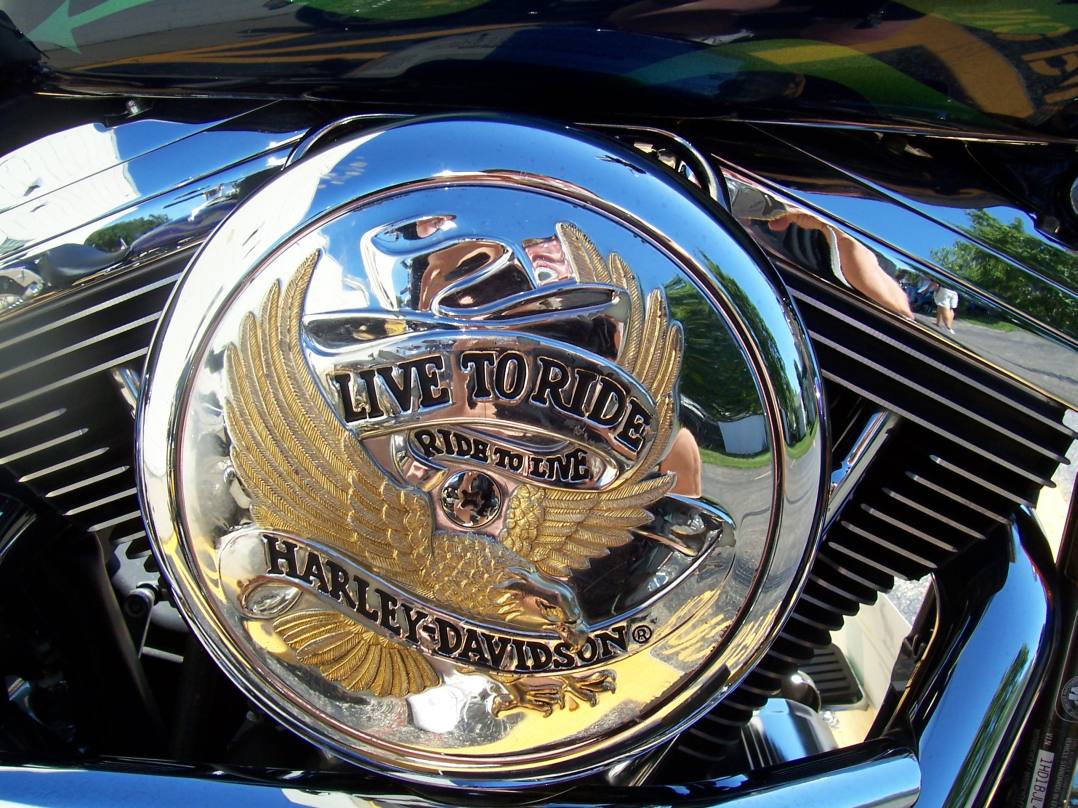
Motorcycle Tires: Your connection to the Road

motorcyclist.jpg
Everything a motorcycle does relies on that little patch of rubber that meets the road. If your tires are not in peak condition, your motorcycle can’t steer, stop or accelerate as it should. Yet, the generally lack of concern over tires is mind-boggling.

Two items that should be checked on a regular basis are tire inflation and tread depth. Ideally, tires should be checked prior to every ride; but, at the least, they should be checked every week. A tire doesn’t have to deflate entirely to get you in trouble. An under inflated tire decreases stability, limits traction and has increased possibilities to complete failure…a blowout! An over inflated tire decreases traction and, of course, it wears much faster. Check your owner’s manual to find the right PSI (pounds per square inch) of air pressure for your tires. Keep in mind that these recommendations are usually dependent upon the weight of you and your passenger, as well as any cargo. Some manufacturers advise adding 3 or 4 PSI when carrying a heavy load. Know your vehicle weight and load, and follow the recommendations specific to your motorcycle.

As with tire pressure, it only takes a few minutes to check your tires for excessive or irregular wear, punctures, cracks, cuts, and often overlooked…tread groove cracking. Every time you ride is not too often to check your lifeline to the road. If you don’t have a way to raise your bike off the ground, have someone roll the bike for you to inspect the tires.

Most riders notice a tire that’s getting thin in the tread. Wear bars have made it easy to tell when the tread is getting down to its last miles. Adequate tire tread not only allows tire integrity, it allows water to be channeled away from the contact patch, which helps maintain grip under wet conditions. If you do not have a tread depth instrument, a simple “coin check” will work. Using a quarter, make sure the tread is not lower than the top of Washington’s head when a quarter is touching the bottom of the tread groove. If it does, it is probably time to replace the tire. For more safety tips click HERE.

Also, did you know that when you have a new tire, most motorcycle tire manufacturers recommend a “break-in” period of 100 miles to “scuff” the tire before being too aggressive with braking and cornering?

You should also watch for safety recalls. A reliable source for information on safety recalls for tires and vehicles is: http://www.recalls.gov/nhtsa.html

Don’t forget…regular inspections for correct air pressure and tire wear will add more miles to the tires and help provide you with many safe miles.

Associates and Bruce L. Scheiner Personal Injury Lawyers would like to remind you to “Ride Safe, Ride Often, Have Fun!” However, if you need us, we’ll be there for you. We’ve been focused on justice since 1971, fighting for your rights. With 7 area offices, we are dedicated to serving your needs if you or a loved one is involved in an accident. Log on to www.focusedonjustice.com or call 1-800-DIAL-BLS.

Bookmark and Share

Posted On: November 6, 2009

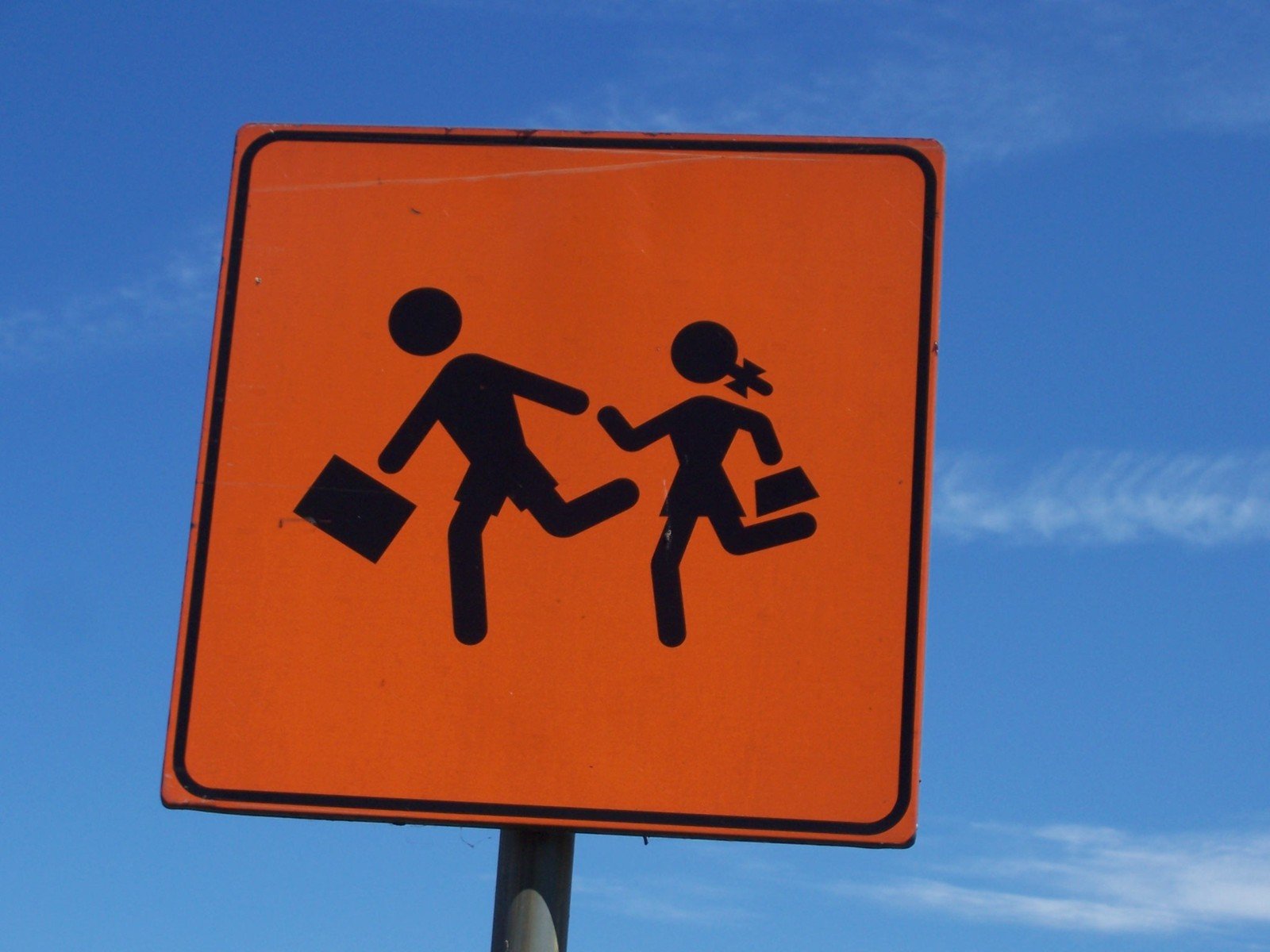
Pedestrian Accidents Can Cause Serious Injury

pedestrians.jpg
With the abundant sunshine and pleasant outdoor weather in Florida, the number of people on foot here makes our state one of the most dangerous when it comes to pedestrian safety. It’s no surprise to realize that a pedestrian struck by a motor vehicle will likely suffer serious injuries, most often to the head, neck and spinal column. The Federal Highway Administration (FHA) has identified Florida as a target for increased resources and educational efforts in an effort to reduce the numbers of pedestrians injured or killed on our roads. FHA works closely with state and local governments to administer programs aimed at keeping Florida’s pedestrians safe.

According to the Florida Highway Safety and Motor Vehicle Department, there were 502 pedestrian fatalities statewide in 2008. This means that 16.8% of all traffic fatalities were pedestrians. Additionally, there were 7,878 pedestrian injuries in the same year.

While most people might assume that alcohol is involved in only those accidents where the vehicle driver is impaired, drinking is a major problem with pedestrians in traffic crashes. 10.3% (922) of all pedestrians in crashes (8,951) had been drinking, and 36.25% (182) of all pedestrian fatalities (502) had been drinking. According to the statistics compiled by the State, the majority of pedestrians injured or killed in 2008 were either crossing the road in mid-block, walking alongside the road, working on their vehicle while in the road, working on the roadway itself or standing on a pedestrian island.

Of course, many pedestrian accidents occur in seemingly safe environments, such as in parking lots or walking along a sidewalk. In most cases, driver negligence is the cause of these types of accidents, as drivers often fail to use proper caution, or engage in unsafe driving practices, when encountering a pedestrian. The bulk of pedestrian accidents occur at night, when poor visibility plays a major role in the crash.

According to the Federal Highway Administration, some of the most common types of pedestrian accidents include:

• A pedestrian is hit while a vehicle was turning or preparing to turn at an intersection.

• A pedestrian is hit in a mid-block collision where the pedestrian entered the driver's field of view leaving little or no time to react.

• A pedestrian is struck in a parking lot or other non-roadway area.

• A pedestrian is struck while walking or jogging along the side of the road, going with the traffic.

• A pedestrian is running through an intersection (as opposed to mid-block).

• A backing vehicle strikes a pedestrian.


Florida personal injury lawyers
remind you of these safety tips to keep you from becoming a pedestrian accident victim:


• Cross at designated intersections and crosswalks only. Many pedestrians are injured because they try to cross the street without using crosswalks.

• Walk on sidewalks and pedestrian bridges where possible. These areas are no-car zones and are therefore the safest places to walk.

• When crossing streets at intersections, look left, right and left again to ensure that you have a safe way to cross. Even if you have right of way, not all cars will stop.

• Stay visible. Wear clothing that is easily visible to drivers for the weather conditions. If you are walking at night, make sure your clothes have reflective material or bring a flashlight.

• Stay alert. Walking after drinking can be deadly. You can veer into the road or make mistakes when crossing the street. Even wearing headphones can prevent you from hearing horns and other warnings.

• Don’t let children play on streets or near them. Children often can’t judge car distances, and may not be able to understand safe pedestrian practices.


“Our firm has represented many victims of pedestrian accidents, and the majority of them could easily have been avoided, had the correct safety precautions been used”, says Senior Attorney Bruce L. Scheiner of the Associates and Bruce L. Scheiner Personal Injury Lawyers law firm. “Here is just an example of the cases we’ve handled.”

$200,000: Recovered for a 53-year-old Naples woman who was backed into by a newspaper delivery vehicle while walking with her husband.

$100,000: Recovered for a 51-year-old Tennessee woman who was walking her dogs in Sebring, FL when she was struck by a vehicle. This client suffered a fractured back and other injuries. Both dogs were killed.

If you or someone you love has been struck by a vehicle while crossing the street or walking through a parking lot, please visit www.focusedonjustice.com, or call 1-800-DialBLS to learn more about our 38-year history of helping those involved in pedestrian accidents.


Bookmark and Share